


















Rent or buy? Advising parents of beginner saxophonists

Tom Harrison is a saxophone, clarinet and piano teacher based in Lewisham, South East London, with 17 years' experience teaching players of all ages. He runs SaxTeacher UK, where you'll find free tutorials, fingering charts, a complete guide to starting the saxophone, and much more!
In this article, Tom offers useful hints and tips to parents on the decision making process in the early days of a saxophonist's musical journey...

When a client gets in touch about saxophone lessons, one of the first questions I read in the first couple of emails is: should we rent an instrument or buy one? It's a sensible question. A new saxophone is a big outlay, and nobody wants to spend several hundred pounds on something that ends up under the bed by Easter.
Here's how I answer it, and the questions I ask parents to help them decide.
My short answer: rent first
For most beginners, and especially for children, I recommend renting for the first few months. For parents, you may find your child loves the saxophone, but also decide they would rather play the drums, or discover in a term's time that a slightly different instrument suits them better.
Renting takes the pressure off that decision. You get a proper, well set-up instrument from day one, the cost is spread into small monthly payments, and if it doesn't work out you can hand it back after the minimum term rather than trying to sell a second-hand sax online.
How a good rental scheme works
Rental schemes vary, so it's worth reading the terms. As an example, John Packer's alto saxophone hire (at the time of writing) works like this:
• a one-off upfront payment of £32, then £16 a month
• you can stop after the first three months by returning the instrument
• if you keep going, the payments run for 21 months and at the end the instrument is yours to keep
With a scheme like this, renting isn't money down the drain: if you, or your child sticks with it, you end up owning the saxophone, and if they don't, you've only committed to three months.
Whichever scheme you choose, check three things before you sign: the minimum term, what happens if you stop early, and who is responsible if the instrument is damaged or lost. It's also worth asking your home insurer whether a hired instrument is covered away from home.
When buying straight away makes sense
There are times when I'm happy to tell people to buy:
• Adults returning to the saxophone. If you played years ago and know you want to get back into it, buying a good student instrument is often simpler.
• A family that already plays. If an older sibling has stuck with the sax, a younger one is likely to give it a proper go too.
• Pupils at certain schools. Ask whether the school runs the Assisted Instrument Purchase Scheme, which can let you buy through the school without paying VAT.
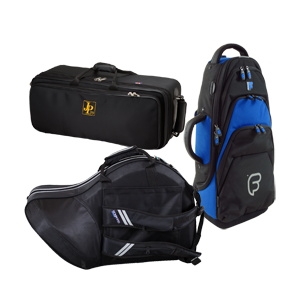
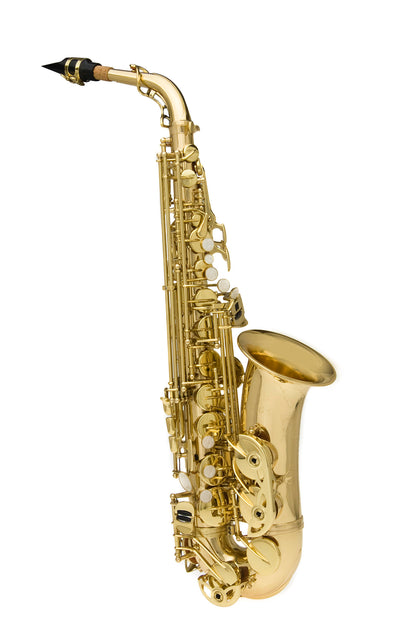
If you do buy, a reputable student model is the right place to start. The JP041 alto is a good example of what to look for: it has an adjustable thumb rest (helpful for smaller hands), a high F♯ key and a sturdy case that can be carried as a backpack, which matters a lot if you don’t want to be carrying your child’s instrument yourself!
The one thing I ask parents to avoid
Please don't buy a very cheap, no-name saxophone online. I understand the appeal, but these instruments often leak, the keys bend easily, and some repairers won't work on them. A beginner who can't get a clean note out of a leaky instrument usually assumes the problem is them, and that's how good students give up. A properly made student saxophone, rented or bought, creates a strong foundation for a good technique.
What should come with the saxophone
Whether you rent or buy, make sure your child has:
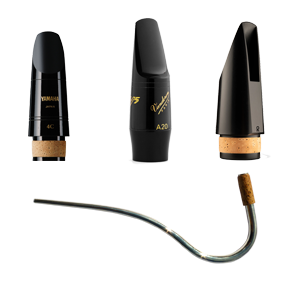
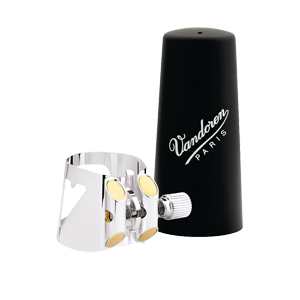
• a mouthpiece, ligature and cap
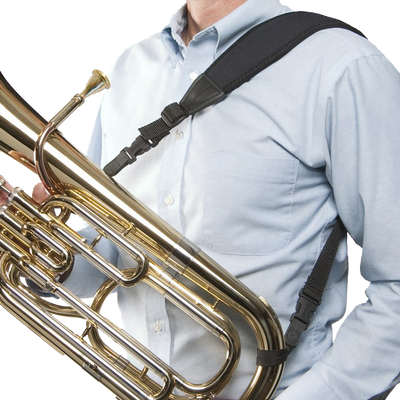
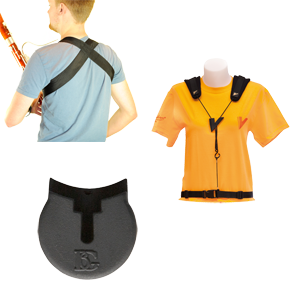
• a neck sling
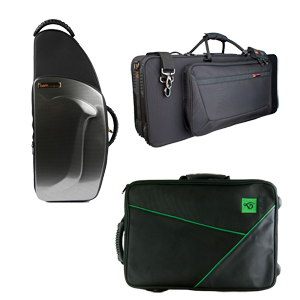
• a case they can actually carry
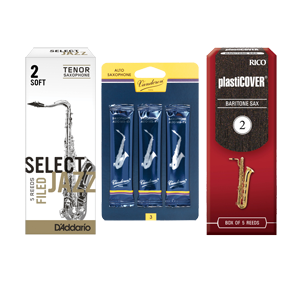
• a few soft reeds: strength 1.5 for children or 2 for adults is ideal for most beginners
• a pull-through cleaner, so the instrument can be dried after every practice
Your child's teacher can check the instrument at the first lesson and make sure everything is set up properly.
Three questions to help you decide
If you're still unsure, ask yourself:
• How sure are we? If the honest answer is "we'll see", rent.
• Who is the instrument for? A committed adult returner can usually buy; a seven-year-old trying something new should usually rent.
• Does the rental let us end up owning it? If it does, renting first costs you very little flexibility.
Whatever you decide, the most important thing is a decent instrument and regular practice. Get those right and the rest tends to follow.